






















Learning Lucky Jet means learning its visual language https://luckyjetcasino.uk/. This isn’t a conventional slot. The game centers on a live multiplier and a set of characters, each linked to potential payouts. My guide explains every symbol and explains how the paytable really works in this crash game. We’ll go past the basic idea of cashing out before the jet disappears. I’ll demonstrate you the value each character represents and what the game’s RTP and volatility mean for your strategy. If you’re new and wondering about the smiling pilot, or a regular player looking for more insight, this guide will help you understand the game’s signals and make clearer choices every round.
Comprehending Lucky Jet’s Distinctive Gameplay Mechanics
To obtain the symbols, you need to understand how Lucky Jet works. The paytable is integrated directly into its real-time engine. As a crash game, everything revolves on a multiplier. It starts at 1.00x and rises. Your potential win is your stake times this rising number. Your job is to hit cash out before the multiplier falls randomly, finishing the round and forfeiting any unclaimed bets. This produces a stressful, active experience, distinct from just spinning reels. The symbols—the jet and its crew—are visual parts of this multiplier’s journey. They don’t land on paylines. They emerge in the animation, with their presence often tied to the game’s state. Keep this in mind: the Lucky Jet paytable isn’t a fixed chart. It’s a live system where you realize value through your own timing.
The Core Role of the Multiplier
That multiplier is the complete paytable. As it ascends, your potential return expands. Players sometimes pay too much attention on the characters, but the number on screen is your real guide. It shows you the exact value of your bet at any moment. The game’s stated Return to Player (RTP) of 96%+ derives from the algorithm behind these random crashes. The multiplier’s growth and how often crashes happen at low or high values are all part of a mathematical configuration. Seeing the symbols as a story wrapped around this algorithm is your first strategic step. They bring flair and build tension, but your cash-out choice should stem from your own risk comfort and the multiplier’s trend, not just which face is on the screen.
Decoding the Lucky Jet Figure Symbols
The symbols are what lend Lucky Jet its character. Each one marks a distinct stage in the round, serving as a visual hint. The main symbol is the Lucky Jet itself, a blue aircraft that races across the screen as the multiplier climbs. Its flight is your dash against the clock. Then arrives the supporting cast. You have the Pilot, usually seen at lower multipliers with a grin. Then there are more rare figures like the Woman in Red or the Man with the Hat, who are inclined to show up when the multiplier gets more aggressive. Consider these characters as markers, not separate paying symbols. Their arrival can indicate the multiplier entering a new “phase,” which some players observe to estimate the round’s length. Just know their sequence is part of the random show.
Common Character Occurrences and Sequences
From what I’ve noticed, a round often begins with the Pilot flying alongside the jet at low values. As the multiplier pushes past 2x or 3x, other characters might appear or take his place. Spotting the Woman in Red or the Man with the Hat can mean the round has already beaten the odds of an early crash. But I have to be clear: there is no set order. A character’s appearance doesn’t cause a crash, and it isn’t a guarantee of a huge multiplier. They are decorative elements in the algorithm’s flow. Many players build superstitions around them. I’d advise you don’t found your cash-out strategy on a guess about a character. Enjoy them for the atmosphere they produce, which is more captivating than watching a bare number climb.
Popular Misconceptions About Symbols and Payouts
A few stubborn myths regarding Lucky Jet need clearing up. First, some think particular characters promise a high multiplier or warn of a crash. That’s wrong. Their appearance is part of a randomised animation. Second, many assume the game is “due” for a big win after several small crashes. Every round is an independent event run by a Random Number Generator. Past results have zero effect on the next one. Another mistake is thinking manual cash-out is always better than auto. Both are useful tools. Auto cash-out removes emotion and can save a profit you might otherwise lose to hesitation. Finally, the idea of a “perfect time” to cash out is a mirage. The right time is the one that matches your pre-set strategy and how much risk you can handle, not some hidden pattern in the characters.
Understanding the Paytable: How Wins Are Determined
In Lucky Jet, your paytable is a real-time, personal calculation. You do not succeed by matching symbols. You profit through a simple formula: Your Stake, multiplied by the Multiplier when you Cash Out. So the effective paytable for your session is merely the range of multipliers you manage to grab. If you stake £1 and cash out at 5.50x, you receive £5.50 (this includes your original £1). The game’s volatility, which seems medium to high, influences this experience. High volatility means you could encounter lots of low multipliers (quick crashes) mixed with the occasional chance at a very high one. This paytable is not static. It’s a spectrum from 1.01x and above, with the current world record multiplier sitting out there as a goal. This self-determined, real-time payout is what attracts players, and it demands a different kind of analysis than a static slot paytable.
Automated Cash-Out Option
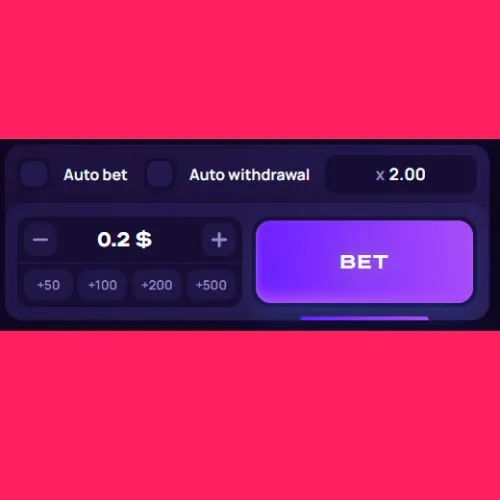
Your key tool for handling this personal paytable is the Auto Cash-Out feature. I think it’s essential for risk control. Before a round begins, you can define a target multiplier, like 2x or 10x. If the live multiplier hits that value, your bet withdraws automatically, locking in the profit. This lets you stick to a plan without the stress of perfect timing. It lets you define your own “payline”—a specific multiplier you want to hit. Using this feature helps you collect consistent smaller wins, or it can assist you in chase bigger payouts without the emotional struggle of choosing when to click. It turns your strategy into an automated rule.
Calculated Use of the Prize Table Data
After you learn the symbols and understand the evolving paytable, your strategy focuses on well-defined decisions. I view the characters as contextual hints, not absolute commands. My main focus stays on the multiplier number and the risk limits I define before playing. A solid plan means picking your cash-out points before you start. The Auto Cash-Out feature is excellent for upholding this discipline. You could choose, for example, to let half your bets pursue a 2x cash-out and the other half go for 10x, balancing your exposure to the game’s fluctuations. Looking at the history of recent multipliers can offer a sense for the session, but each round is its separate event. The major strategic point is this: you control your paytable by choosing when to cash out. There’s no scatter symbol to expect, no wild to activate. Just a growing number and your personal judgement.
Examining Risk and RTP in Lucky Jet
To truly get what the paytable signifies for your money, look at the game’s variance and RTP. The 96%+ RTP is a long-term average. It implies that over millions of rounds, for every £100 wagered, £96+ returns to players as winnings. This isn’t a guarantee of your next ten spins, but it suggests a mathematically fair game. The variance dictates the frequency of those returns. In a risky game like Lucky Jet, wins may be less frequent but can be greater when they happen. You might see a string of fast crashes under 2x, then one round that shoots up to 20x or beyond. This rhythm directly affects your personal paytable results. Understanding this helps set sensible targets. Going after only 100x+ multipliers is a aggressive tactic. Cashing out regularly between 2x and 5x is a safer approach, but you’re still playing the same game.
FAQ
What is the highest paying symbol in Lucky Jet?
Lucky Jet doesn’t use traditional paying symbols. Your payout derives from entirely the multiplier value when you cash out. The highest possible payout is technically limitless, but in practice it maxes out by the game’s crash algorithm. The top multiplier is the biggest win anyone has seen.
Do the different characters affect my chances of winning?
No. The characters are only visual effects. They don’t change the game’s math or the random crash point. Their order is for entertainment and to build suspense. Winning depends on one thing: cashing out before the random crash happens. What character is on screen doesn’t matter.
How the Auto Cash-Out feature connect to the paytable?
Auto Cash-Out enables you to write your own paytable entry. By choosing a target multiplier, you automatically get a win at that exact value. This makes your strategy systematic. It transforms the dynamic paytable into a custom, automated system depending on the risk level you choose.
What exactly does the RTP signify for my actual gameplay?
The 96%+ RTP is a extended statistical average across all bets. It cannot predict your individual session. You might walk away with more or less in the short term. It simply confirms the game is fair and delivers a fair return over a huge number of plays.
Does there exist a pattern to the multiplier crashes I can learn?
No, there is not any pattern to learn. Each crash point is set by a certified Random Number Generator. This ensures every round independent and unpredictable. Any patterns you believe you notice are coincidence. Good play arises from managing your risk and adhering to a cash-out plan, not from attempting to predict the crash.
Last Updated on June 16, 2026
